Showing posts with label World-Building. Show all posts

The world of THE VALLEN

Borrowed from pbs.org


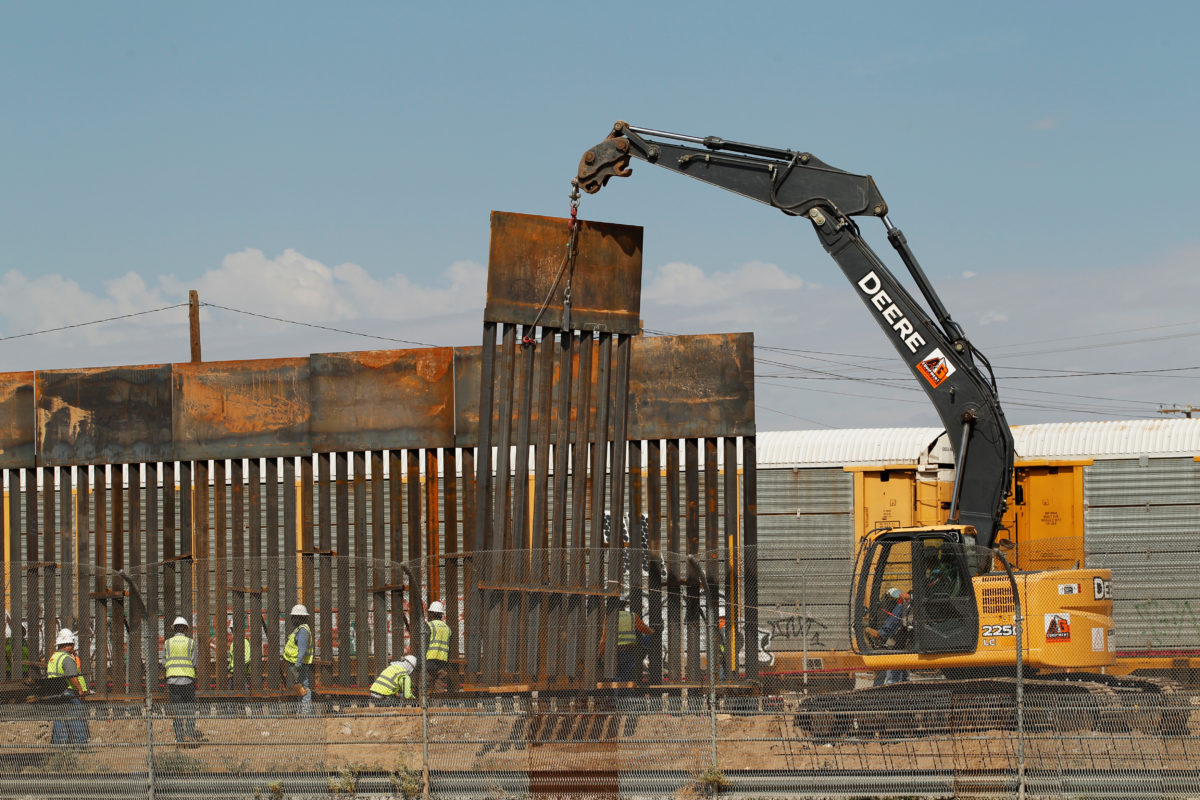
In the months leading up to the 2016 United States presidential election, I clicked off the news and asked myself: what would America look like if Trump’s wall stood for over a hundred years?

What would you do to challenge that impediment to your movement? Would you try to flee—even if it was your own people who stood up the wall in the first place? Or would you welcome it? Is the wall good? Is the wall bad?

Chapter breaks and how I used them in THE VALLEN

From this amazing site showing a variety of past-present photos

Welp, I'm at the halfway point of proofreading THE VALLEN (like p. 185 in my double-spaced manuscript) and I'm pausing to reflect on why I've organized the chapters in the way that I have.

Essentially:

  • Odd-numbered chapters: Essa's past
  • Even-numbered chapters: Essa's present

Outlining a blueprint for THE VALLEN

The Wall of Jericho, artist's rendering, more information available here


The power of a blueprint (or outline) for a novel is perhaps best represented in the plot of the novel. (I spoke in a previous post about how Rowling's outlining technique for Harry Potter benefited the page-turning plot of her books...).

What is THE VALLEN?

Filched from Wikipedia
In keeping with the updated purpose of this blog, welcome to a behind-the-scenes scoop on my newest novel, THE VALLEN.

What is The Vallen? 

Funny you should ask that, my main character—Essa Finch—asks the very same thing...

So...where to begin talking about THE VALLEN...hmmm...hmmm...

What is real?


What is real and what is not? What is fiction and what—truth?

In reading, then thinking, over The Last Unicorn by Peter S. Beagle, I am conflicted with these very questions. It's Beagle who's brought them bubbling to the surface. What with his characters in one ethereal dialogue after the next:
"Spells of seeming," the unicorn said...
The magician answered: "[Madame Fortuna's] shabby skill lies in disguise. And even that knack would be beyond her, if it weren't for the eagerness of those gulls, those marks, to believe whatever comes easiest."

Magic in the Making

Filched here

Do we, as writers, need to plan out the Magic in our stories? Does it have to have a pattern or be consistent? Does it have to follow a rigid Dungeons & Dragons-type system, or can it be free-wheeling like Beagle's The Last Unicorn?

In another post, I talked about the difference between fairy tale magic and systematized magic, that every magic "system" — for lack of a better word — encompassed a bit of both.

Magic Systems — Arden's The Bear & The Nightingale

http://avalinahsbooks.space/the-bear-and-the-nightingale/

There're whole heaps of praise out there on the internet for Katherine Arden's debut: The Bear and the Nightingalea fairy tale-esque coming-of-age story taking place in medieval Russia. I'm not going down that praising path, though I did enjoy the book over Christmas break (absolutely a winter read). Rather, I'm going down the magic-system path. And when it comes to fairy tales, pinning down a magic system is about as difficult as making waterfalls flow backwards.

The Broken Earth Trilogy - Jemisin


Disregard the superb narrative techniques. Disregard the excellent plotting and characterization—particularly between a mother and a daughter—that throttles the both of them to a climactic showdown where, literally, the fallout of their relationship determines the fate of the world. Disregard the fact this is the first time an author has won three Hugos in a row and disregard all of the other milestones of this series.

What most came through Jemisin's masterwork, for me, is this...

The Subtle Knife & The Amber Spyglass


In my last post on Philip Pullman's The Golden Compass, I look at conglomeration in world-building: How many seemingly disparate elements are brought together by an author to create a whole new sci-fi-fantasy world.


In this post, I'll continue with Pullman's His Dark Materials series by looking at the last two books in the trilogy: The Subtle Knife and The Amber Spyglass, and—oh, how the conglomeration became just too much…

What's In Your Character's Pocketses?

Riddle Game by Tim Kirk
Ever watch The Dark Knight? When they bring the Joker in, there's a quick scene where Commissioner Gordon checks the notorious villain's pockets. What does he find?
"Nothing in his pockets but knives and lint."
Also, what about The Lord of the Rings or The Hobbit? What does Frodo carry in his pocket, on a chain, from the Shire to Mordor? And why is Gollum so infatuated with what Bilbo has "in its nasty little pocketses?"

What our characters carry in their pockets

Hearing Voices: Authors and the Imagination


Yevgenia Nayberg
Here is an article on Virginia Woolf which inspired me to think about the imaginary voices we all hear, whether we're an author, or some other creative-type, or none of the above.


When I say imaginary voices, here're some examples (from the article) of what I mean:
[Imaginary voices] might include a bereaved person comforted by the voice of the departed; a mountain climber who intuits a felt presence; a child talking to imaginary friends; an athlete whose attentional focus tunes in to self-talk; the inner voice of a coach or trainer.

Effective & Efficient Writing — Binti, by Dr. Nnedi Okorafor


I'm late. This novella came out in 2015 but I'm just getting to it. In any case, this Nebula and Hugo award-winning novella packs a punch for its short length and that's why I consider it a prime example of both effective and efficient writing.

Effective:

Effective writing can be summed up as writing that simply gets its job done. For fiction writing, in particular, effectiveness can have many different facets to it. But I'll focus on just two:
  1. The writing gets plot and character across, i.e. the reader understands what's happening, who the character is, and so on. And...
  2. ...the writing flows. Drawing the reader forward, not requiring them to stop and reread sentences.

The Ideas Behind The Dispossessed, by Ursula K. Le Guin


I am impressed and I am depressed, but I am not dispossessed.


Impressed: Whether it is Le Guin's use of words, her parse, straightforward style, or her sheer insight, there were many times while reading The Dispossessed when I felt the gnawing of self-doubt. Many times when I said to myself: "I could never write that good."

Hence, depressed, after being impressed.

But I’m not dispossessed and I'll tell you why.